


Intel Analysis: The Plight of Uganda’s Street Children in the Kisanja No Sleep Agenda
- Karamoja Trumpet News Team

- Jun 11
- 4 min read

Last month, during the Presidential swearing-in speech, which echoed the State of the Nation Address this month, a seemingly energized and reinvigorated President Museveni publicly proclaimed that this term of 2026-2031 is going to be a Kisanja (term) of no sleep and no corruption.
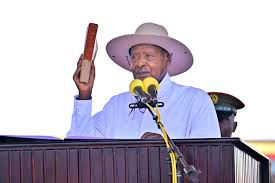
His words reverberating across corridors of power and millions of homes across the country. His new cabinet, perhaps a reflection of this new governance philosophy. MPs swore in, a new speaker was chosen and Ministers have followed suit. Now the monumental task of translating the strategic direction laid out in the two speeches into action before the budgets are concluded and approved.
If there is a group in Uganda that should be prioritized this term of 2026-2031 it is Uganda’s Street Children. Often ignored and overlooked. Even by their own elected leaders.
As we speak tonight many new MPs, Ministers and City Officials in urban areas across the country will tuck themselves into on their king sized, comfortable mattresses, cover themselves with thick warm imported blankets, under the watchful protection of their bodyguards, askaris, high perimeter walls and German Shepherd Security dogs. Dreaming peaceful sweet dreams of the comfortable.
Simultaneously Karimojong and other Ugandan street children will mostly sleep on cold hard cement floors outside of shopping arcades (if they are not chased away by night watchmen, others on dirt in shanty towns, where they pay slumlords 500 shillings per night to sleep in a small, poorly ventilated room shared with up to 15 people or more.

Tomorrow morning these two sets of people will wake up. One set will wake up to a bountiful feast of assorted delicacies. As the Bible says “the fat of the land”. While another group, will wake up with grumbling stomachs. While some feast on scrambled eggs, matooke, sweet bread, milk tea, prepared by their private chefs or spouses etc., the street child will be busy trying to clean a small restaurant in exchange for leftover food, maybe waiting on their trafficking boss who will prepare food for them in exchange for begging money.
As the national and local rich class drive their kids to organized private schools, in their brightly colored uniforms, school bags packed with extra snacks or sometimes pocket money equivalent to some people’s monthly wages. The street children prepare for another day at the school of suffering. An unforgiving school where your teachers are the brutal streets, your classrooms the gang-controlled ghettos and your headmaster is the trafficking boss who may beat you or deny you food if you don’t meet the begging quota (daily minimum amount) for that day.
After a long day of playing the elite children will be driven back home. After a long day of laboring, the street children will be walking back home.

At the traffic lights these two worlds collide. While one child, in an airconditioned car will be snacking on a deep-fried snack or cold ice cream and a sugary juice or soda, another child will be watching from the roadside. The fine red dust of the city and exhaust fumes from cars and Boda Bodas, creating a nauseating gas that makes the eyes of a child red, their head dizzy and affects their respiratory system.
The street child taps on the glass window. One hand clutching their stomach that churns with hunger and one arm outstretched as if reaching out for someone, anyone to help lift them out of this desperate situation. The child in the car who was taught about politeness, sharing and helping others by their teacher feels a deep sympathy in seeing a fellow child so destitute, rolls down his/her window and begins to stretch out their hands, bearing snacks. But just as their hands are about to meet, two different sides of the city about to collide, the traffic light turns green and the driver speeds off hastily.
Leaving the street child in a haze of brown and white dust smoke. Another day. Another failed attempt to grasp at the straws of freedom from the streets.

The street child walks back to the slums that evening. Bypassing the brothels and drug dens.
Bypassing the streams of sewage that crisscross their area by crossing scanty makeshift wooden planks that sometimes break, plunging the walker into a bath of pungent black smelly filth, mixed with water and fecal matter and all kinds of refuse.
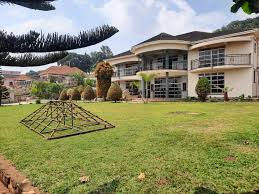
The rich child will be driven back to their leafy green, clean, quiet and peaceful suburb. Enter their fenced and gated mansion. That night however, the rich child will open google on their parent’s phone or laptop and search “Why are there poor children on the streets?”
A powerful question, we must all ask ourselves. We adults must also ask “Why have attempts to help them failed?” and “What can we as a society do to solve this crisis once and for all?”.......
Because when these children grow up without a safety net, chances are high that they will engage in drug and gang sub-cultures or prostitution. When we are talking about rising urban crime and gang violence in urban centers across Uganda it is because we are not targetting them with interventions young or old
This article is meant to highlight the hidden struggles of street children in Uganda. The Karamoja Trumpet with support from the Africa Leadership Institute and more recently from the Operation Wealth Creation have researched the issue of street children in Uganda and East Africa since 2019. Especially looking at what those on the street actually think, the numerous failed attempts to solve the crisis by Government MDAs and by NGOs and also holistic international best practices tailored to the local Ugandan Context. We will hold a public policy dialogue on Tuesday 16th June 2026 to discuss the conclusion of our research into a Policy Brief with a comprehensive solution for Local Communities, Government Policymakers, NGO Community and Security Services. We will have community members, leaders from Karamoja, Security Experts, leaders from Government and social workers/mental health practitioners present
If you would like to participate in this public dialogue via the google meet link. Please send a WhatsApp message to 0774286106 or an email to karamojatrumpet@gmail.com


Comments